
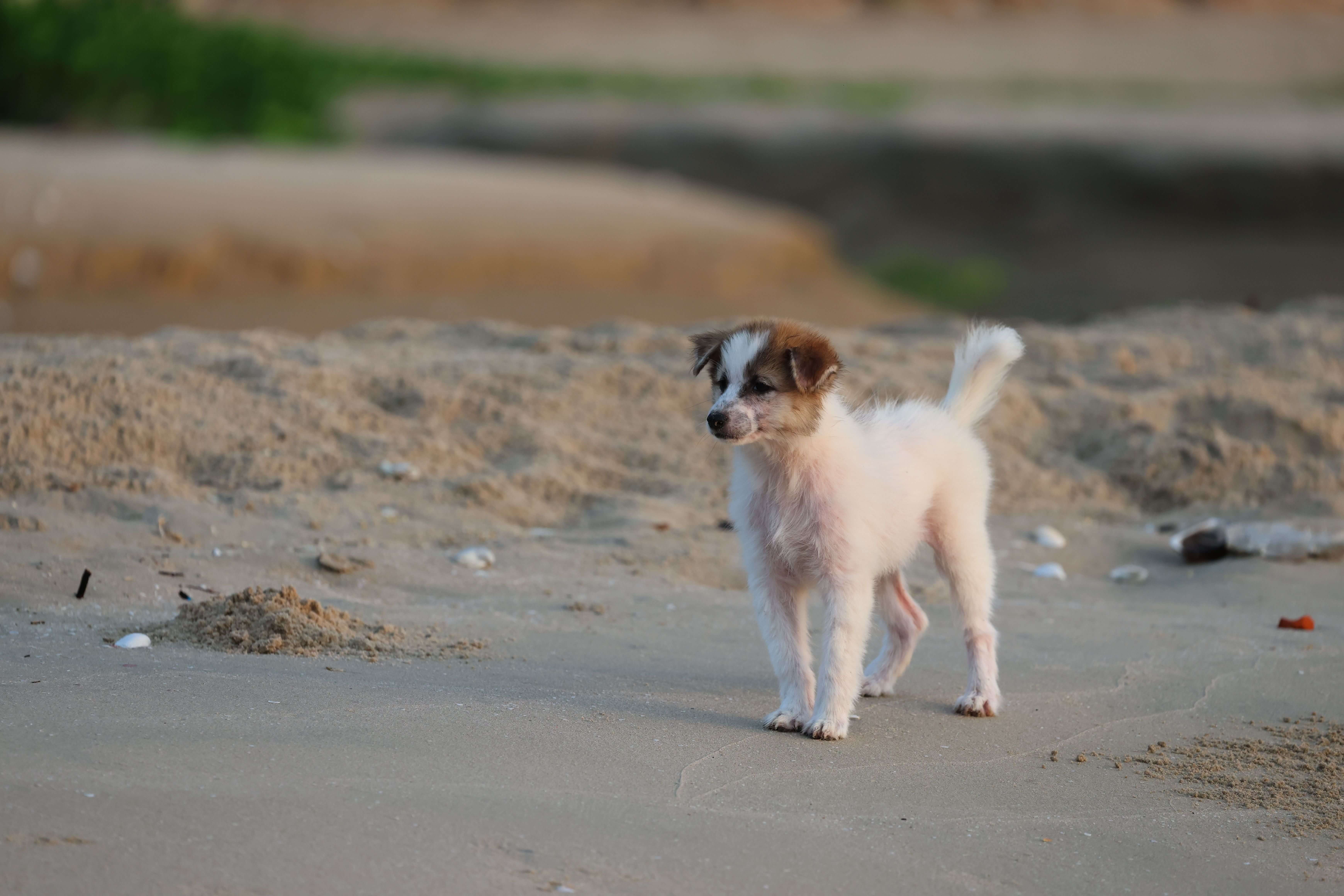
Cornwall is one of the UK's most popular holiday destinations, but busy beaches, crowded streets and packed car parks aren't everyone's idea of a relaxing break.
If you're travelling with a nervous dog, an older dog or simply prefer a slower pace, choosing when and where to visit can make a real difference.
Here's how to enjoy a quieter dog-friendly holiday in Cornwall.
1. Consider visiting outside the summer holidays
One of the simplest ways to avoid Cornwall's busiest holiday periods is to travel outside the main school summer holidays.
Spring (March–May)
Spring can be a lovely time for coastal walks and countryside adventures. Temperatures are often more comfortable for dogs than during hot summer afternoons.
However, Easter and bank holiday weekends can still be busy.
Autumn (September–November)
Autumn offers opportunities for peaceful walks and a slower holiday pace, particularly outside school half-term.
Be prepared for shorter days, changeable weather and seasonal opening hours.
Winter (December–February)
Winter can appeal to people seeking a quieter getaway, but some attractions and hospitality venues operate reduced hours.
Coastal weather can also be more challenging, so flexible plans are essential.
No season guarantees empty beaches or walking routes, but choosing less popular travel dates may improve your chances of finding somewhere peaceful.
2. Explore beyond the busiest seaside centres
Popular destinations such as St Ives, Newquay and Padstow offer plenty to see, but their central areas can become busy during peak holiday periods.
If you prefer a slower pace, consider looking at accommodation around smaller villages or countryside locations instead.
Areas worth researching include:
- The Roseland Peninsula: Consider accommodation away from the main visitor centres, with access to countryside and coastal scenery.
- The Lizard Peninsula: Explore smaller settlements and walking opportunities, while checking access roads and seasonal visitor demand.
- Bodmin Moor: A possible alternative for countryside walks rather than a beach-focused itinerary.
These aren't guaranteed quiet locations. Individual villages, attractions and walking routes can still attract visitors, particularly at weekends and during holidays.
For dogs that struggle around other animals, remember that rural areas may have livestock and neighbouring dogs.
3. Choose walks with room to move
A walk doesn't have to be completely empty to feel peaceful.
Look for routes with good visibility, wider paths and opportunities to turn around or change direction.
Cornwall's sections of the South West Coast Path offer beautiful scenery, but some stretches are narrow, exposed or steep.
If your dog needs extra space, don't assume a remote coastal path will be suitable.
Before setting off:
- Check the route's length and difficulty.
- Look for narrow sections and steep drops.
- Consider parking and access points.
- Check weather conditions and tides.
- Keep your dog under close control around livestock and wildlife.
The South West Coast Path Association provides official dog safety guidance.
4. Plan beach visits around access rules and quieter times
Early mornings and evenings may be more manageable than the middle of the day at some popular beaches.
They can also offer alternatives when seasonal restrictions prevent dogs from visiting during certain daytime hours.
However, rules vary between beaches.
For example, Cornwall Council lists restrictions at Carbis Bay and Sennen Beach between 10am and 6pm from 15 May to 30 September.
Other beaches have different restrictions, while some locations have year-round rules.
Always check the latest information using Cornwall Council's official dog beach guidance.
Remember that a dog-permitted beach isn't necessarily a quiet beach. Weather, tides, parking availability and local events can all affect your experience.
5. Choose accommodation carefully
If avoiding crowds is a priority, where you stay may matter more than how many attractions you visit.
A cottage with a private entrance and outdoor space may offer a different experience from a busy holiday park or hotel.
Before booking, ask:
- Is the property in a busy village or a more secluded setting?
- Are there shared entrances or communal gardens?
- Does a public footpath pass the property?
- Are there neighbouring dogs or livestock?
- Is the garden private and appropriately enclosed?
- Can you access suitable walks without driving into a busy town?
Don't assume that countryside accommodation is automatically peaceful.
At Wagabode, you can explore dog-friendly accommodation according to practical requirements, including outdoor space and quieter surroundings where details are available.
Explore Cornwall accommodation.
6. Keep your itinerary flexible
One of the best ways to enjoy a slower Cornwall holiday is to avoid overplanning.
Instead of trying to visit several attractions each day, choose one main activity and leave time to relax.
If a beach car park is full or a walking route feels too busy, have an alternative ready.
For some dogs, a quiet morning walk followed by an afternoon relaxing at the cottage is the perfect holiday.
And if your dog struggles with unfamiliar environments, read our guide to planning a calmer Cornwall holiday with a reactive dog.
Find your kind of Cornwall escape
A peaceful dog-friendly holiday doesn't necessarily mean travelling somewhere remote.
It's about choosing suitable dates, planning manageable activities and finding accommodation that works for your dog.
Whether you prefer countryside surroundings, private outdoor space or easy access to walks, start with the requirements that matter most to you.
Find dog-friendly stays in Cornwall or use Wagabode's Quick Match to explore suitable accommodation.
Information reviewed October 2026. Visitor numbers, beach restrictions and access conditions can change. Always check official guidance before travelling.